
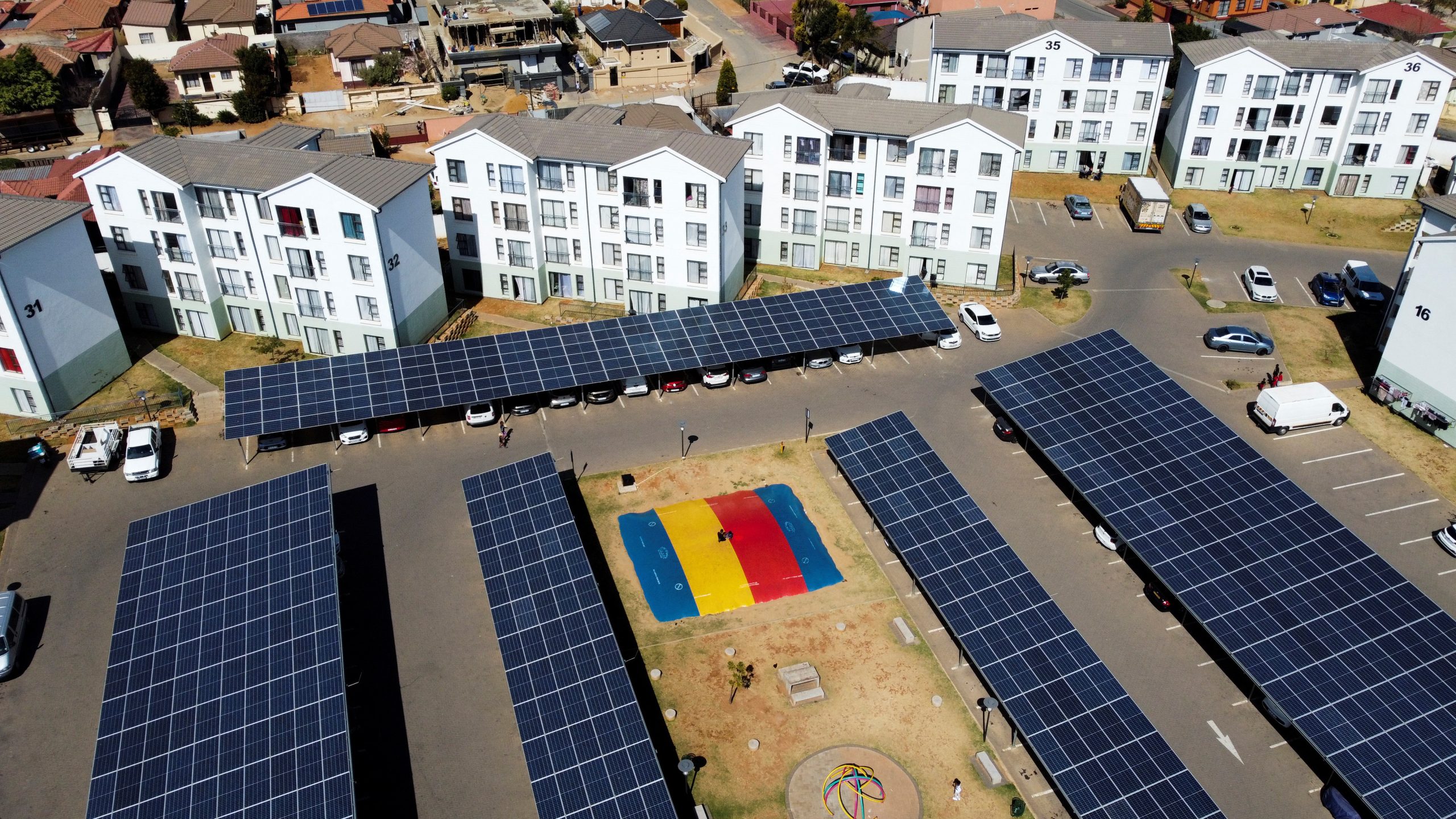
Investing in solar power is a long-term decision that should deliver reliable energy, real savings, and peace of mind. A professional solar installation is not just about fitting panels on a roof — it’s a structured process designed to ensure safety, performance, and return on investment.
Here’s what you should expect at each stage of a professional solar installation.
1. Assessment: Laying the Foundation
A proper installation always starts with a thorough site assessment. This step determines whether solar is viable for your property and how much value it can realistically deliver.
What happens during the assessment:
-
Energy usage analysis: Review of your electricity bills and consumption patterns
-
Site inspection: Roof orientation, shading, structure, and available space
-
Electrical evaluation: Existing DB board, wiring, and compliance status
-
Future planning: Expansion needs, battery backup, EV charging, or business growth
Why it matters:
This phase ensures the system is correctly sized — avoiding underpowered setups or unnecessary overspending.
✔ Outcome: A clear feasibility overview and realistic savings expectations.
2. Design: Tailored, Not One-Size-Fits-All
Based on the assessment, a custom system design is created specifically for your home or business.
What professional design includes:
-
Correct panel, inverter, and battery selection
-
Load balancing and backup prioritisation
-
System scalability for future upgrades
-
Compliance with local regulations and standards
-
Estimated ROI and payback period
Why it matters:
A well-designed system maximises efficiency, ensures long-term reliability, and protects your investment.
✔ Outcome: A tailored solar solution aligned with your energy needs and budget.
3. Installation: Precision & Compliance
This is the most visible stage — and where quality really counts. Professional installation teams follow strict procedures to ensure safety, durability, and optimal performance.
What to expect during installation:
-
Secure mounting with weatherproof sealing
-
Correct cable routing and protection
-
Inverter and battery installation in ventilated, safe locations
-
Integration with existing electrical systems
-
Testing, commissioning, and system sign-off
Why it matters:
Poor installation can lead to system failures, safety risks, and voided warranties. Professional workmanship ensures your system performs as designed for years to come.
✔ Outcome: A fully operational, compliant solar system ready for daily use.
4. After-Sales Support: The Long-Term Advantage
Solar is a long-term asset — ongoing support is essential.
Professional after-sales support includes:
-
System monitoring and performance checks
-
User training and system handover
-
Warranty management and documentation
-
Maintenance guidance and upgrades
-
Technical support when you need it
Why it matters:
Reliable after-sales support protects your investment and ensures your system continues delivering savings long after installation.
✔ Outcome: Confidence, continuity, and long-term performance.
Final Thoughts
A professional solar installation is a process, not a product. From the first assessment to long-term support, each stage plays a critical role in delivering reliable power, measurable savings, and energy independence.
If done correctly, solar doesn’t just reduce your electricity bill — it becomes a strategic investment in your home or business.
Thinking about going solar?
Choose a provider that prioritises proper assessment, intelligent design, quality installation, and ongoing support — not shortcuts.